
Notes from the Studio, Vol. 07
01. Decisions, Decisions
Bathrooms may be compact, but the number of choices behind their design is anything but small.
Powder Room - Roughly 15 to 25 decisions, including, but not limited to:
Plumbing: sink type (pedestal, console, wall-mount), faucet (hole count, spout reach, handle type), drain/stopper, shutoffs
Lighting: sconces, overhead, color temperature, dimming, switch location
Mirror: size, shape, integrated lighting
Surfaces: wall finish (paint, paper, plaster), splash protection, floor material, base/trim profiles
Door & Clearances: swing vs. pocket, ADA/comfort clearances
Guest or Ensuite Bathroom - Layouts become more complex as durability meets hospitality. This easily means 30 to 45 decisions. In addition to the above, you’ll need to select:
Layout: tub/shower vs. shower only, curb or curbless, curtain or door, storage
Waterproofing: membrane system, slope to drain, niche placement, bench yes/no
Plumbing Fixtures: shower system (fixed head, handheld, rain), valve type, diverter, drain style
Surface Finishes: shower tile, feature tile, grout color/joint size, thresholds/returns, slab ledges
Cabinetry: vanity size, drawers vs. doors, integrated outlets, toe-kick lighting
Countertop/Sink: material, edge profile, under/overmount, splash height
Ventilation: CFM sizing and placement, timer/humidistat control
Other: mirrors (medicine vs. decorative), window treatments, hardware for towels/hanging, toilet types
Primary Ensuite
The most complex of all. Beyond the obvious, this is where decisions critical to space functionality come into play. Do you want a wet room or separate tub and shower zones? Should vanities be customized with integrated outlets or storage solutions? What type of lighting makes mornings brighter but evenings calm?
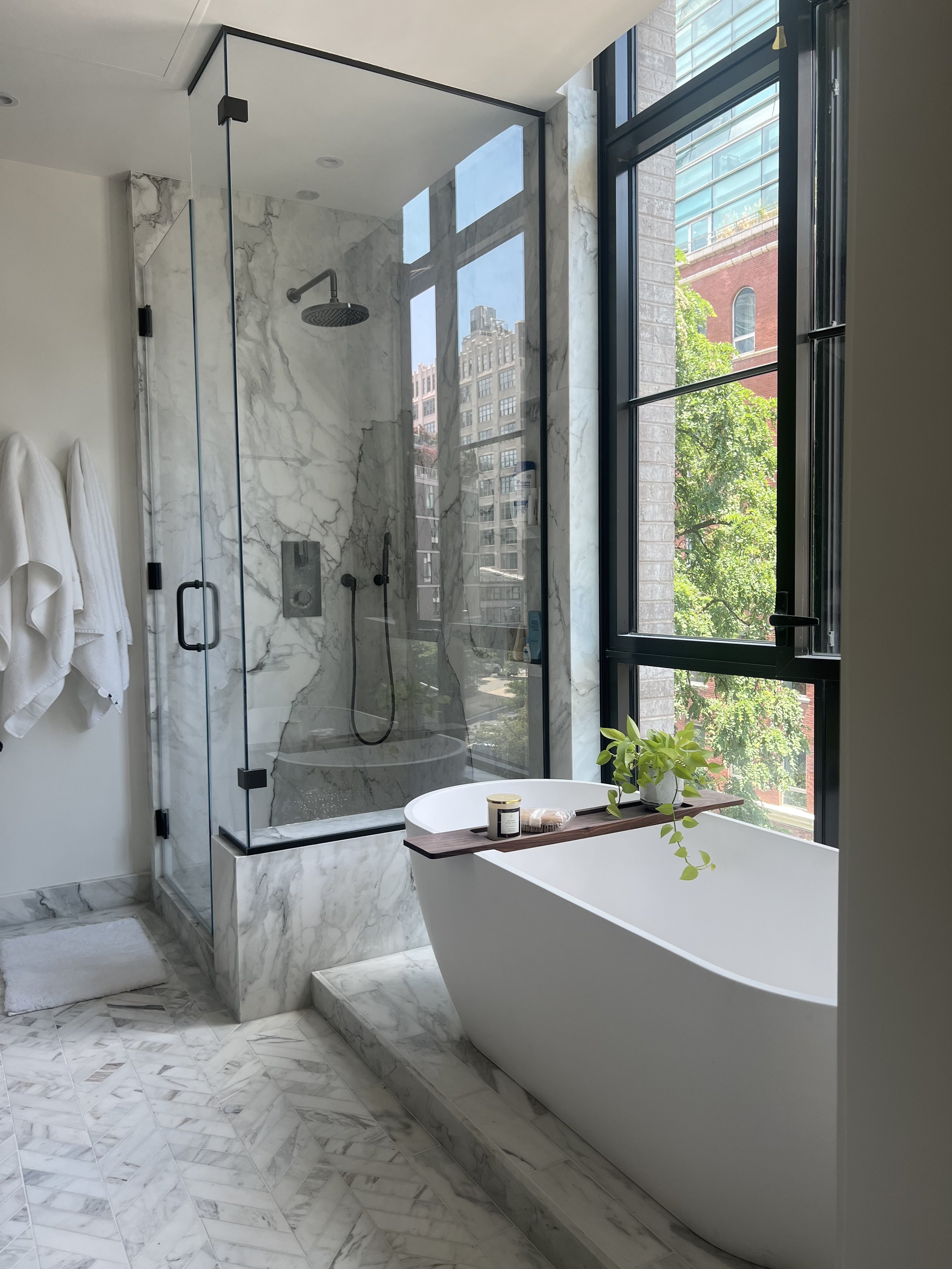
An ensuite often reaches 60+ decisions, each with long-term impact on how you live every day. The shower itself can involve 10 to 15 individual choices about fixtures, valves, niches, and finishes. A primary bathroom typically requires custom millwork, additional storage solutions, higher-end selections (heated floors, integrated lighting, etc.), and tile and stone with specialized patterns and movement.
At Studio Isaac, we guide clients through these layers of choice by first understanding how you live and your aesthetic preferences. Then, by sequencing decisions in the right order and coordinating with contractors, we ensure the design is cohesive and the construction process is smooth.
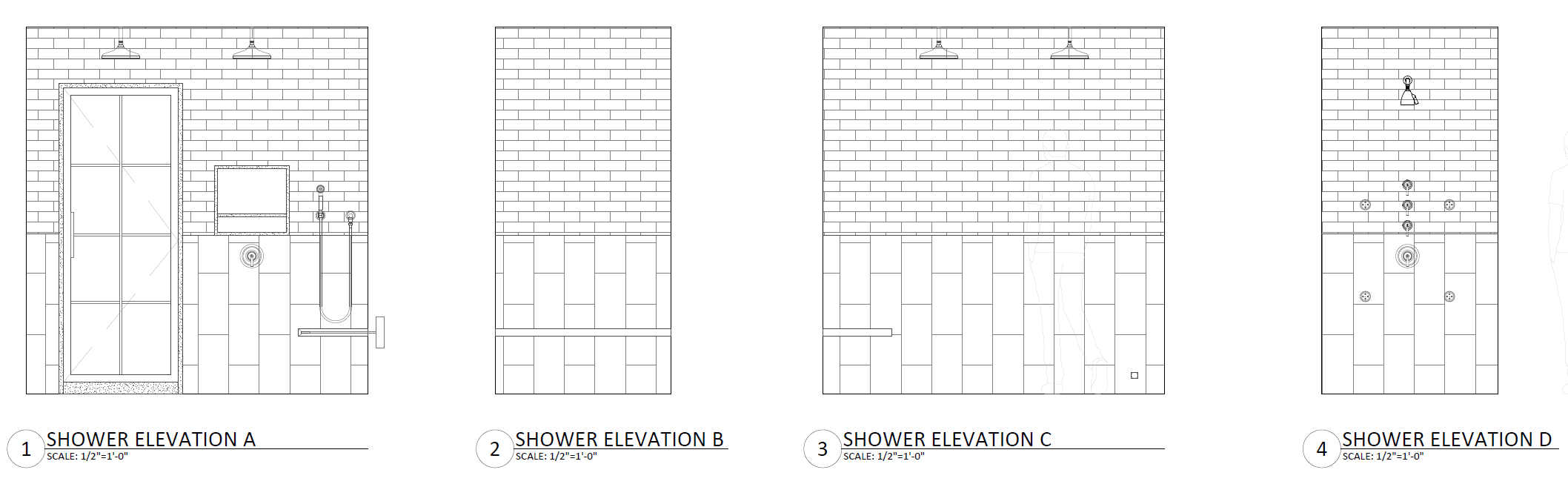
Example of a primary ensuite shower elevation. Notice the different tiles, placement of the shower fixtures, etc. All decisions!
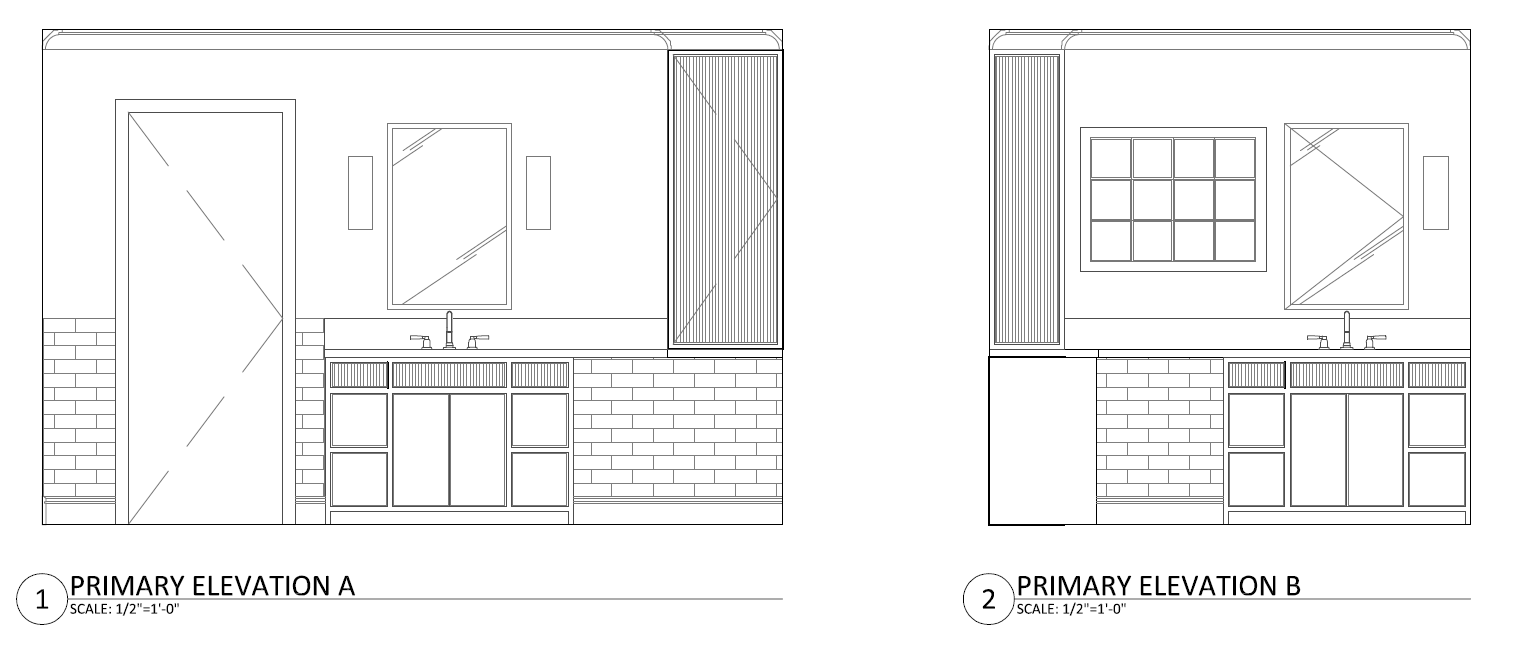
Example of a primary ensuite elevation including the vanities, mirrors, cabinets, and doorways. Each element you see must be designed and selected.
02. Spotlight: Artistic Tile
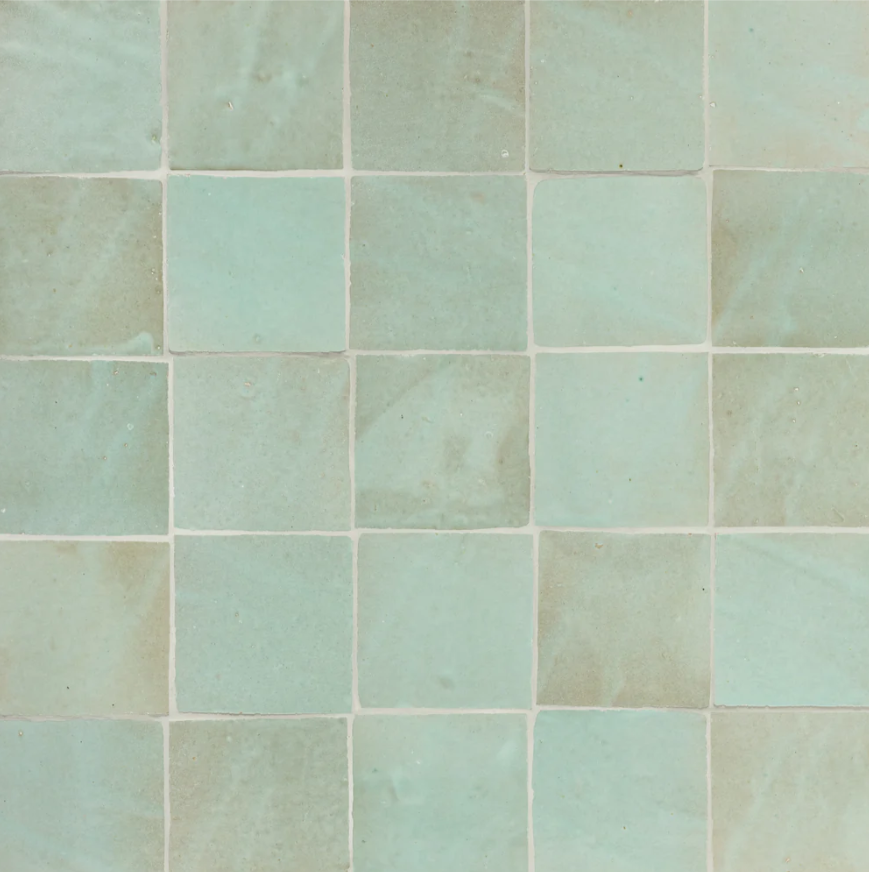
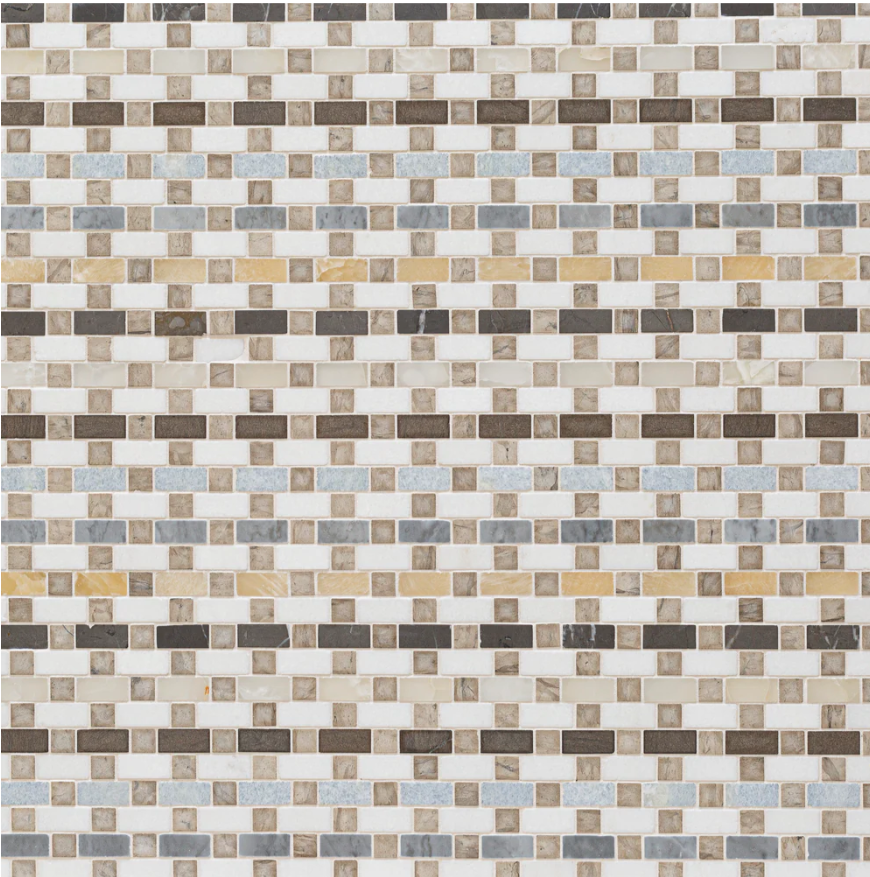
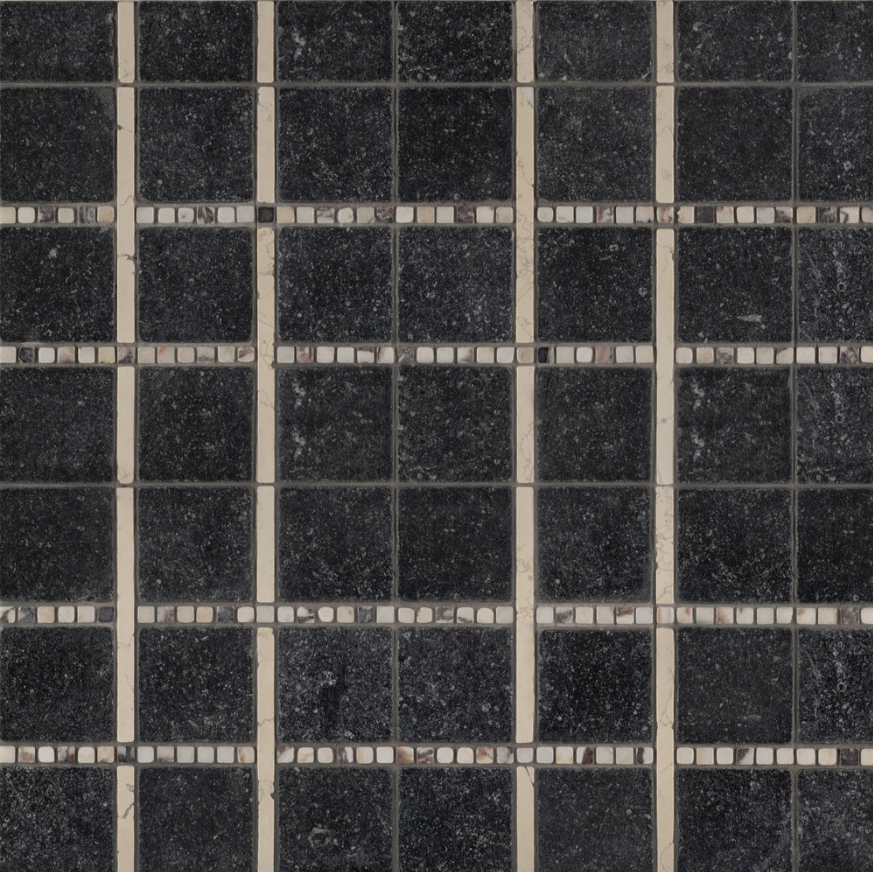
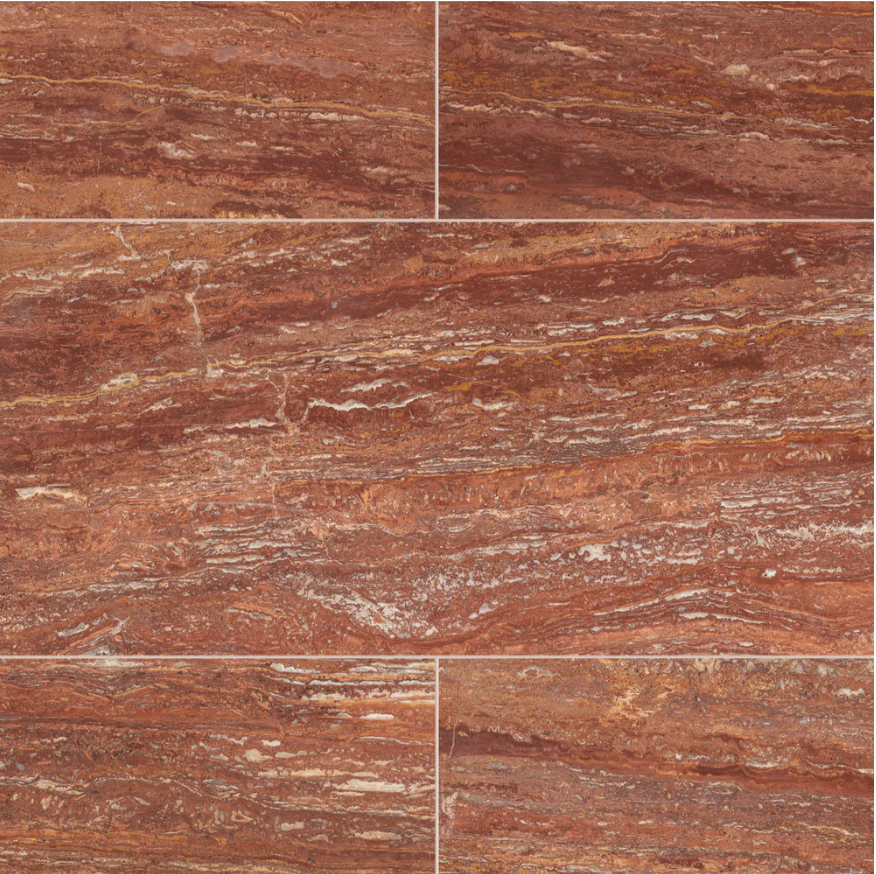
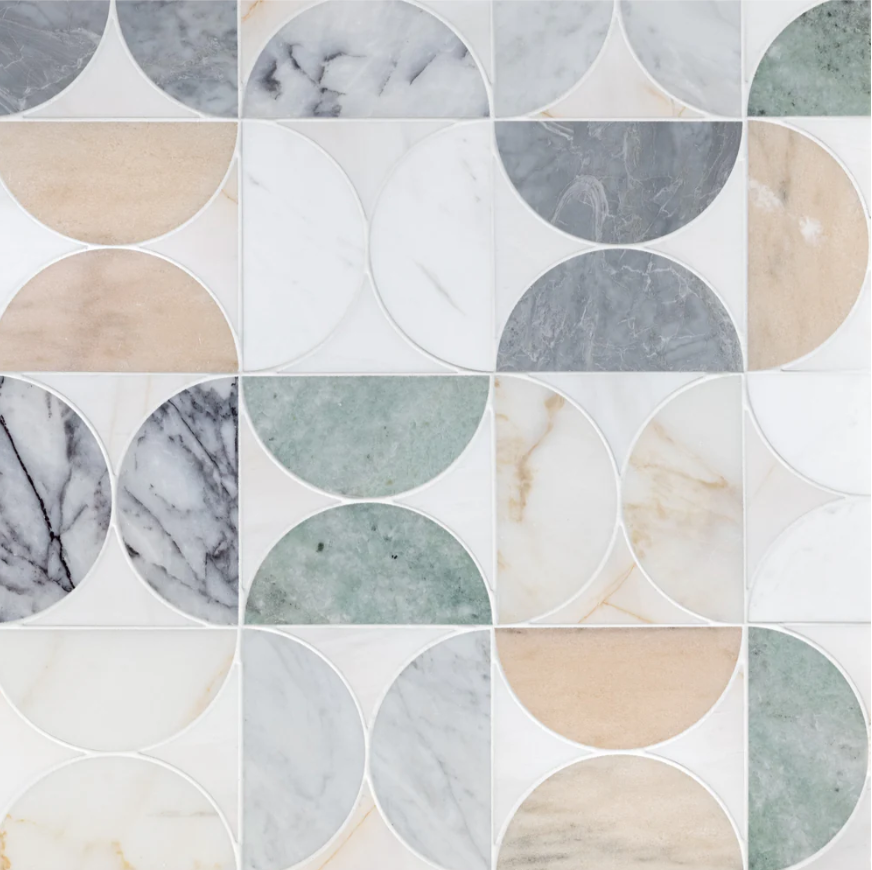
Tile defines the atmosphere of a bathroom. We return again and again to Artistic Tile, a family-owned brand that combines artistry with technical expertise.
Their surfaces are as distinctive as they are durable. From bold geometric statements to delicate botanicals, the range is remarkable. Their waterjet mosaics read almost like stone marquetry — intricate patterns cut with extraordinary precision.
Another hallmark of Artistic tile is customization. Through their “Tailored To” program, Artistic Tile can adapt designs in scale, material, or color, ensuring that a bathroom’s tile work is truly one of a kind. It’s a level of detail that elevates a project from beautiful to bespoke.
Here are some of our favorite selections from Aristic Tile (click to view more details on each):

03. Designing a Ritual: The Shower
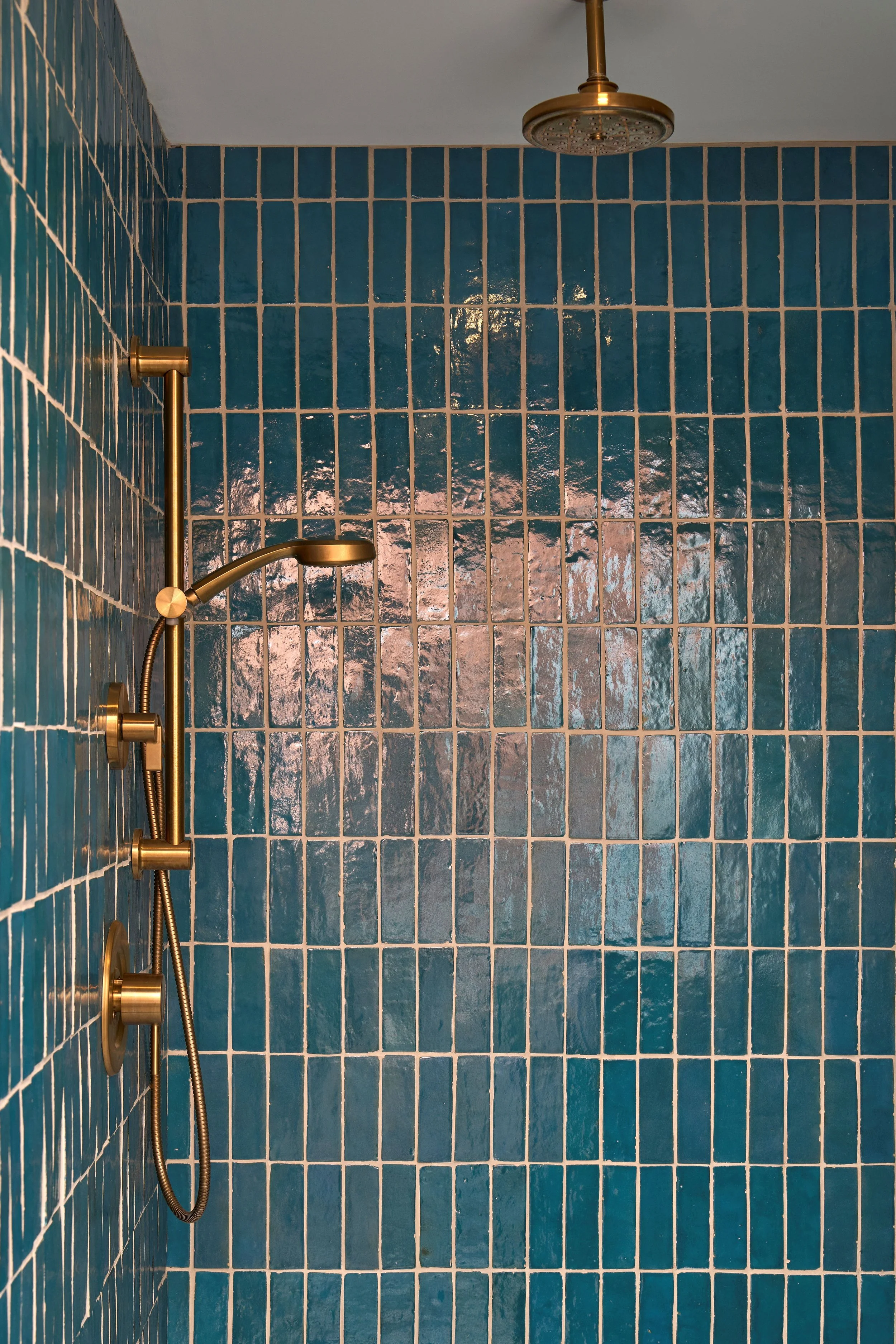
Everyone has their preferences on what makes a great shower. We say it all starts and ends with the plumbing. We start with a list of questions as we begin designing a shower to ensure the final finishes evoke shower ritual bliss.
Shower Fixture Types & Their Purpose:
Fixed wall head: typical, reliable water coverage
Handheld – fixed or on a slide bar: great for cleaning, rinsing off kids, accessibility
Ceiling “rain” head: more gentle, immersive; must be mindful of ceiling height and water pressure
Body sprays: creates an immersive, spa-like experience but requires careful layout within the shower
Control Valves:
Pressure-balance: stabilizes the hot-to-cold ratio; straightforward and economical
Thermostatic: sets an exact temperature regardless of pressure changes; ideal for multi-outlet or luxury setups
Diverter & volume controls: Choose the number of outlets (e.g., head + handheld + rain) and whether each has independent flow or operates simultaneously.
Our take at Studio Isaac: define what your ideal shower experience is first, then we’ll specify the plumbing fixtures to support it. The best showers are designed from the valve out.
If you enjoyed reading this, consider getting Notes from the Studio straight to your inbox.
Subscribe to our newsletter below:
